
Ingredients for a High-Quality Child Care Daily Schedule (Aligned With Licensing + Best Practice)

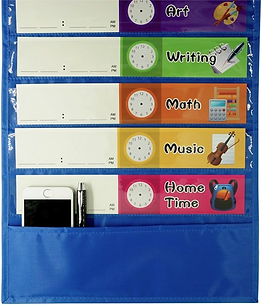
A daily schedule is more than a routine on the wall—it is the foundation of your classroom success.
A strong child care schedule supports everything that matters most:
✅ children feel safe and confident
✅ teachers stay organized and reduce behavior challenges
✅ learning happens naturally throughout the day
✅ families see structure and professionalism
✅ and most importantly… you stay aligned with licensing expectations
Whether you run a family child care program, group center, or a school-age program, your schedule should never feel like random blocks of time. It should be carefully designed with children’s needs in mind and include the specific elements licensing expects to see.
In this blog, we’re going to break down the ingredients of a strong daily child care schedule, including the required pieces that protect children’s health and support healthy development—such as meal spacing, outdoor play, nap time, and handwashing routines.
Why Daily Schedules Matter in Child Care
In early childhood education, schedules create predictability, and predictability creates security.

Children thrive when they know what comes next. When the day is consistent, children:
transition more smoothly
show fewer behavior challenges
build emotional regulation
participate more confidently
feel safe and cared for
Teachers also benefit from a well-designed daily plan because it:
reduces rushed transitions
prevents missed meals/snacks
supports classroom management
keeps learning and play balanced
ensures routines like toileting and handwashing are not skipped
A good schedule is not about being strict—it’s about being intentional.
The Must-Have Ingredients of a Licensing-Aligned Daily Schedule
Below are the most important components that should be included when building a child care daily schedule.
✅ 1. Meals and Snacks Every 3 Hours (No Long Gaps Without Food)
One of the most important licensing-aligned schedule rules is this:
⭐ Children cannot go without food for more than 3 hours while in care.
That means your daily schedule must plan meals and snacks strategically so children are fed consistently throughout the day.
A balanced schedule often includes:
Breakfast (if served)
Morning snack
Lunch
Afternoon snack
Optional late snack (for late pick-ups)
Scheduling Tip:
Plan your meal/snack times about 2.5 to 3 hours apart. This keeps children comfortable, focused, and less likely to become irritable or tired.
Why it matters:
Young children have small stomachs and high energy needs. Waiting too long between meals can cause:
meltdowns and behavior problems
low energy during learning time
headaches or irritability
poor attention and emotional regulation
Meals and snacks aren’t just “feeding time”—they are part of your classroom management strategy.
✅ 2. Circle Time / Morning Meeting / Lesson Time
A strong daily schedule includes time for group learning and connection.
This might be called:
circle time
morning meeting
large group time
group lesson
Circle time helps children build:
language and vocabulary
listening skills
attention and memory
classroom community
routines and expectations
social-emotional skills
Your schedule should include daily group learning, but it should always be age-appropriate:
Recommended Lengths:
Toddlers: 5–10 minutes
Preschool: 10–20 minutes
School-age: 15–30 minutes
Pro Tip:
Circle time works best when you include movement, music, visuals, and engagement—not long sitting.
✅ 3. 50 Minutes of Uninterrupted Free Play / Center Time
This is a critical ingredient, and it is often the first thing to get rushed… but it shouldn’t.
A high-quality schedule must include:

⭐ At least 50 minutes of uninterrupted free play or center time
This is when children learn best.
During uninterrupted play, children practice:
problem-solving
cooperation and teamwork
negotiation and sharing
creativity and imagination
language development
self-control and independence
Centers might include:
blocks and construction
dramatic play
writing center
art and creativity
sensory play
science/discovery
reading/cozy corner
music and movement
manipulatives
Important:
“Uninterrupted” means children are not pulled away every 10 minutes for something else. This block needs to be protected so children can fully engage.
✅ 4. Outdoor Play / Large Motor Twice a Day (30 Minutes Each)
Outdoor and large motor activity is not optional—it is an essential part of healthy development and classroom success.
A strong schedule includes:
⭐ Two opportunities per day for outdoor play or large motor movement
✅ 30 minutes each time
This may look like:
morning outdoor play
afternoon outdoor play
indoor gross motor option when weather is unsafe
Large motor play supports:
physical health and muscle development
stress relief and emotional regulation
stronger focus during learning time
better sleep during nap/rest
fewer behavior challenges
Scheduling Tip:
Try placing outdoor time:
before lunch
and
after nap
This gives children healthy movement breaks at the perfect points in the day.

✅ 5. Rest/Nap Time (2 to 2.5 Hours)
Rest is required and developmentally important—especially for infants and toddlers.
A strong daily schedule includes:
⭐ 2 to 2.5 hours for nap/rest time
This block should include:
calming transition (books, quiet music)
toileting/diapering before rest
rest period for all children
a plan for non-sleepers (quiet activities after a reasonable rest time)
Nap time supports:
brain development
memory and learning
behavior regulation
healthy mood and energy
Teacher Tip:
Nap time isn’t only for children to sleep—it’s also when teachers can:
document observations
prepare materials
complete cleaning routines
plan for the next part of the day

✅ 6. Toileting and Diapering Routines Built Into the Schedule
Toileting and diapering shouldn’t be squeezed in “whenever we have time.”
A quality schedule intentionally includes toileting opportunities such as:
after arrival
before meals/snacks
before and after outdoor play
before nap
after nap
before departure
This reduces accidents, keeps routines consistent, and supports potty training success.
✅ 7. The Missing Piece Many Schedules Forget
One of the biggest schedule mistakes in child care is not planning for handwashing times.
Handwashing isn’t something you do “if you have time.”
It must be intentionally included in the flow of the day.
Here are the key handwashing times you must plan for:
✅ When Children AND Teachers Must Wash Hands
1) Upon Arrival
Children should wash hands when they arrive at the program.
✅ Why: reduces germs entering the classroom
2) Before Eating or Handling Food
Wash hands before:
breakfast
snack
lunch
cooking activities
helping set the table
✅ Teachers also wash hands before serving food.
3) After Toileting or Diapering
Wash hands after:
using the bathroom
being assisted in the bathroom
diaper changes
potty training attempts
✅ Even if gloves were worn, handwashing is still required.

4) After Wiping Noses, Sneezing, or Coughing
Wash hands after:
wiping a nose
blowing a nose
coughing into hands
sneezing into hands
✅ Teachers must wash hands after helping children wipe noses.
5) After Coming Inside From Outdoor Play
Children should wash hands after outside time.
✅ Best practice: come inside → bathroom/handwashing → snack or meal
6) After Contact With Body Fluids
Wash hands after:
blood
vomit
stool
urine
saliva
mucus
This includes cleaning accidents and providing first aid.
7) After Water Play or Sensory Play
Wash hands after:
water table
slime/playdough
shaving cream
sand/mud sensory activities
8) After Handling Animals
Wash hands after:
touching pets
feeding animals
cleaning cages or animal supplies
9) After Cleaning or Taking Out Trash (Teachers)
Teachers wash hands after:
disinfecting surfaces
sanitizing toys
taking out garbage
handling cleaning products
10) Before and After Medication or First Aid (Teachers)
Wash hands:
before medication
after medication
before applying ointment
after removing gloves
✅ 8. A Good Schedule Balances Active and Calm Times
A well-designed daily routine should not be “all active” or “all sitting.”
Children need a balance of:
✅ movement + calm
✅ group time + independent play
✅ learning time + free choice
✅ outdoor time + quiet time
A schedule that flows well looks like this:
calm arrival → active centers → outside play → calm lunch → calm rest → active outdoor play → calm closing routine
This is one reason why schedules improve behavior so dramatically—because they meet children’s needs naturally.
✅ 9. Transitions Are Part of a Good Schedule
Your schedule is only as good as your transitions.
Strong transitions prevent:
chaos
waiting time
arguments
wandering
challenging behaviors
Use tools like:
transition songs
visual schedules
countdown warnings (“5 more minutes”)
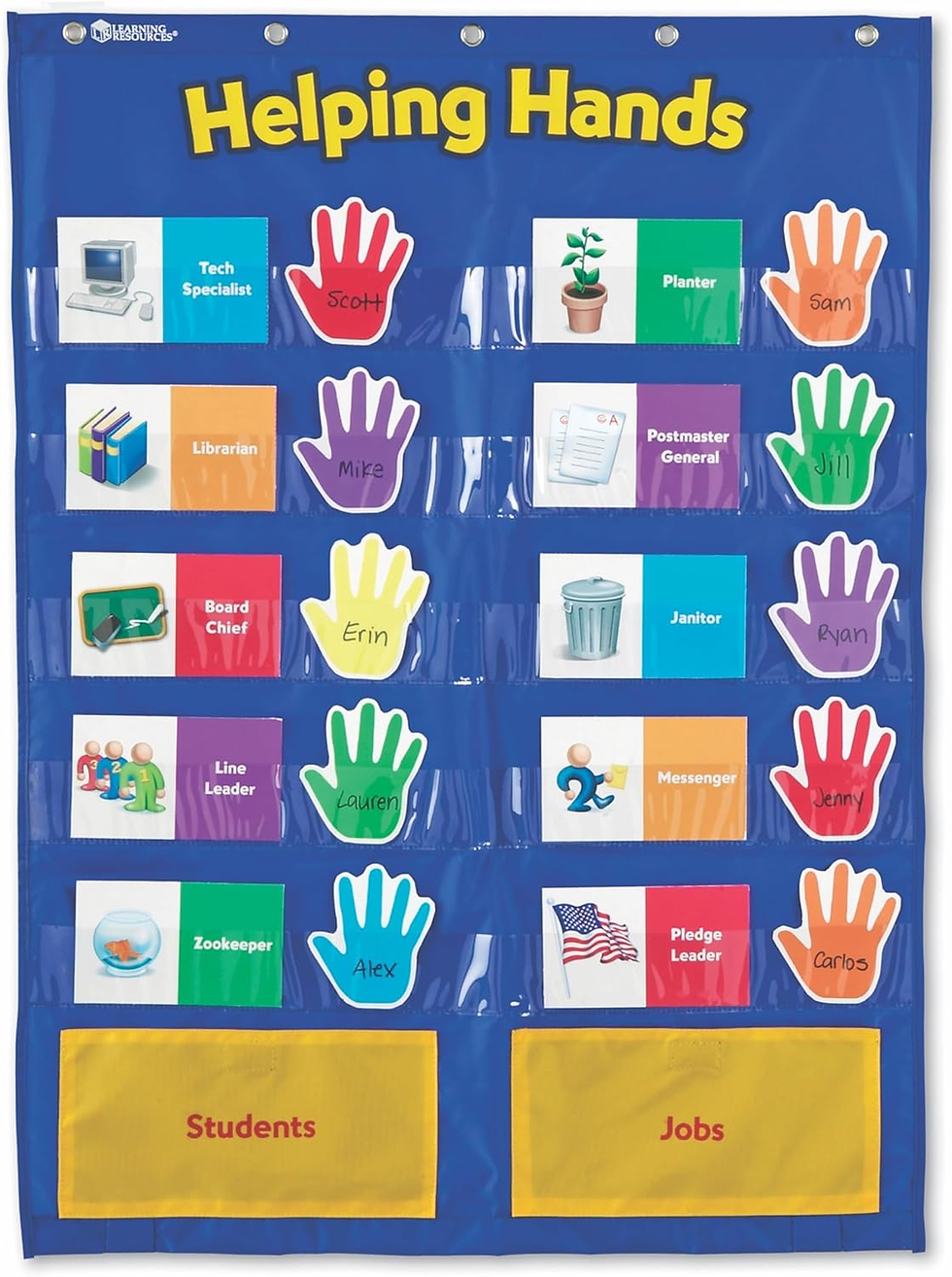
classroom helpers (line leader, snack helper)
clear expectations before moving
Final Thoughts: A Great Schedule Protects Your Classroom
When your daily schedule includes:
✅ food every 3 hours
✅ circle time/lesson
✅ uninterrupted play (50 minutes)
✅ outdoor/large motor twice a day
✅ nap/rest 2–2.5 hours
✅ toileting routines
✅ handwashing built into the day
✅ Balance Active and Quiet
✅ Transitions
…you create a classroom that runs smoothly, supports learning, and meets licensing expectations without stress.
A daily schedule isn’t just a plan—it’s your classroom’s “heartbeat.”
Don’t leave your daily schedule up to guesswork. A strong schedule can reduce behaviors, improve learning, and keep you in compliance.
✨ Explore more child care training and resources at www.networxllc.net and take your classroom routine to the next level.


Comments